
Home Office Renovation Ideas for Remote Workers
A home office renovation begins with a clear zone that fits the available space and daily workflow. The approach blends practical layouts with adaptable storage and durable basics. Natural light is optimized while glare is minimized, and ergonomic comfort is built into a modest budget. Cable management stays tidy, and labeled bins keep supplies accessible without clutter. The plan promises steady progress and smarter decisions, inviting one to consider, step by step, how to transform remote work into a calmer, more focused routine.
Define a Productive Home Office Zone That Fits Your Space
A productive home office zone begins with a clear boundary, defined by a dedicated space that supports focused work and minimizes distraction.
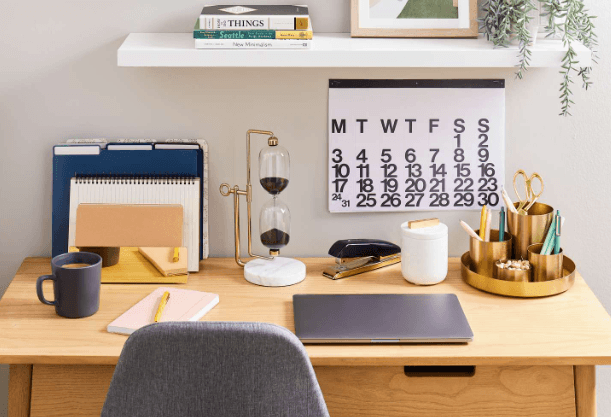
This compact setup pairs smart storage with a minimal footprint, carving distinct zones for thinking and executing.
Two word idea 1 and two word idea 2 guide layout choices, ensuring adaptability, comfort, and freedom within the available room.
Maximize Natural Light and Reduce Glare for Focus
Maximizing natural light while curbing glare begins with positioning and materials. Daylight-friendly layouts place workstations near windows without direct glare, while translucent screens soften harsh rays.
Choose window treatments that balance privacy and light, and opt for low-glare surfaces. Use light backgrounds and task lighting that complements daylight. This approach emphasizes maximize daylighting and minimize glare control for focused productivity.
Choose Ergonomic Furniture on a Budget
Is it possible to build a comfortable, productive home setup without overspending? Thoughtful choices balance support and cost. Ergonomic chairs offer posture benefits without premium labels, while budget friendly desks provide stable, adjustable surfaces at accessible prices. Prioritize lumbar support, seat depth, and cable-free underways. Compare warranties, opt for modular pieces, and mix secondhand finds with reliable new basics for durable, flexible functionality.
Clever Storage and Cable Management for a Tidy Workflow
Practical organization hinges on smart storage and thoughtful cable routing that keep workflows smooth without clutter piling up. The arrangement favors modular containers, vertical organizers, and labeled bins that reclaim desk space while preserving accessibility. Cable routing remains discreet yet practical, utilizing vertical conduits and desk grommets. Hidden power strips reduce visual noise, promoting focus and freedom in a tidy, efficient studio.
Frequently Asked Questions
How to Power a Home Office in a Small Apartment?
A compact power setup in a small apartment relies on compact storage solutions and efficient use of vertical space. It enables a tidy workstation, wireless charging, and surge protection, while freeing floor area for movement; practicality fuels flexible, freedom-minded design.
What Low-Cost Noise-Canceling Options Work Best?
Diving into a quiet room, one note lands: low cost, noise canceling options exist. Budget-friendly choices balance comfort and efficacy, from foam panels to white-noise apps. Practical, creative selections empower freedom-seeking workers without breaking the bank.
How Often Should I Replace Office Gear for Health?
Replacement frequency varies by gear type, but generally replaces worn items annually and more often for health-impact risks like keyboards, mice, and monitors. Such timing minimizes health impact, enhances comfort, and preserves productivity while preserving freedom to focus.
See also: Code Collaboration Platforms
Can I Convert a Shared Space Into a Desk Area?
Beginnings unfold like a whispered spark: yes, one can convert shared space into a desk area. It requires intent, zoning, and collapsible furniture. Focus on function, lighting, and acoustics, embracing a practical, creative, freedom-loving approach. two word discussion ideas: layout, boundaries.
What Are Legal Considerations for Home Office Deductions?
Legal deductions considerations hinge on eligible space, exclusive use, and proper documentation; home office tax rules require careful record-keeping and proportional expense allocation, ensuring compliance while preserving entrepreneurial freedom. This approach nudges prudent budgeting and transparent financial practices.
Conclusion
In a compact home office, a thoughtful zone design becomes the backbone of productivity. By aligning light, posture, and storage, remote work flows with fewer distractions and more results. The space flexes as needs shift—a modular desk, transparent screens, and labeled bins grow with projects. As the saying goes, “Where there’s a will, there’s a way.” With tidy cables and warm task lighting, focus deepens, efficiency rises, and creativity finds steady room to breathe.