Cloud Storage vs Local Storage
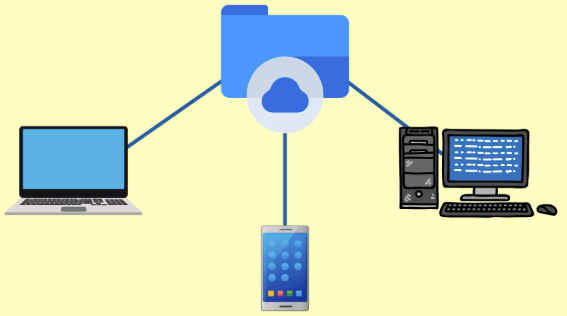
Cloud storage and local storage represent two ends of a control-and-access spectrum. Cloud offers elastic capacity, global reach, and managed service levels, but adds latency variability and governance considerations. Local storage provides immediate access, offline resilience, and predictable budgeting, yet requires ongoing maintenance and capacity planning. The choice hinges on latency, cost, compliance, and access patterns, with hybrid options bridging both worlds. The trade-offs invite a structured evaluation to determine the best fit before proceeding.
How Cloud and Local Storage Work Behind the Scenes
Cloud storage and local storage operate behind different architectural boundaries but share core data-management principles. The analysis focuses on storage layers, metadata handling, and access paths. Cloud relies on distributed services, APIs, and global data placement, while local systems optimize hardware buses and file systems. Latency benchmarks and data deduplication techniques influence efficiency, consistency, and scalability across environments.
Criteria to Choose Between Cloud and Local Storage
Determining the appropriate storage approach hinges on balancing cost, scalability, latency, and control. Decision criteria emphasize total cost of ownership, access patterns, and governance. Cloud pricing structures, data sovereignty considerations, and regulatory alignment shape choices. Local options offer tactile control and predictable budgets. The selection balances risk, flexibility, and strategic goals, guiding organizations toward a principle of prudent, freedom-oriented data stewardship.
Performance, Reliability, and Cost Showdowns
Performance, reliability, and cost considerations hinge on concrete benchmarks and governance expectations. Cloud systems favor scalable latency benchmarks and predictable service levels, while local deployments emphasize immediate control and offline resilience.
Cost models diverge: cloud mixes variable usage with predictable tariffs; local storage leans on depreciation and energy efficiency. Decisions balance latency benchmarks, reliability targets, and strategic freedom.
Real-World Scenarios: When to Pick Cloud or Local Storage
Real-World Scenarios reveal when to deploy cloud versus local storage by weighing scale, access patterns, and risk tolerance: teams facing burst workloads, remote locations, or uncertain maintenance capabilities lean toward cloud, while those prioritizing offline access, latency-sensitive operations, and long-term cost control favor local deployments.
Cloud latency considerations, data sovereignty, local sync, and offline access drive decisive choices for freedom-focused organizations.
Frequently Asked Questions
How Do Data Privacy Laws Affect Cloud Storage Choices?
Data privacy laws constrain cloud storage choices by prioritizing data sovereignty and encryption compliance; stakeholders assess where data resides, applicable regulations, and contractual safeguards, balancing freedom to operate with lawful access, retention limits, and auditability.
Can Local Storage Survive Major Hardware Failures?
Local storage can survive major hardware failures, but only with deliberate design. Coincidence aside, it relies on local redundancy and robust failure recovery strategies, ensuring continued access despite disk loss or controller faults. Freedom comes through disciplined, strategic resilience.
What Is the Environmental Impact Comparison Between Cloud and Local?
Environmental impact varies by scale and efficiency; cloud providers often optimize energy use across facilities, enhancing energy efficiency, while local setups can incur fragmented, less-efficient consumption. Overall, strategic choices depend on workload, infrastructure, and renewable access.
See also: knowneeds
How Do Hybrid Setups Blend Cloud and Local Storage?
Hybrid setups blend cloud and local storage through tiered strategies and caching, balancing latency and cost. They emphasize data locality, leverage hybrid strategies for selective replication, and optimize workflows, enabling freedom while maintaining governance and resilience—almost mythically efficient.
What Are the Hidden Costs of Cloud Storage Plans?
Hidden costs in cloud storage plans include hidden fees and bandwidth caps, which can surprise users. The detached analysis suggests evaluating data transfer limits, tiers, and add-ons, enabling strategic budgeting while preserving freedom to scale and adapt.
Conclusion
Cloud storage and local storage each deliver distinct strengths: scalable accessibility versus immediate control. A prudent choice often blends both in a hybrid strategy, maximizing latency advantages while containing costs and governance risk. One striking stat helps imaginations: global cloud traffic is projected to reach 16.6 zettabytes annually by 2024, highlighting how data moves at scale even as local systems shoulder steady, predictable workloads. Strategic architects thus design with both environments in mind, aligning access patterns to their respective capabilities.